
Where the lines fit
Applications
From central-kitchen fresh-cut vegetables to retail salad, dried produce and IQF frozen vegetables - choose the application and we map the line.
Application areas
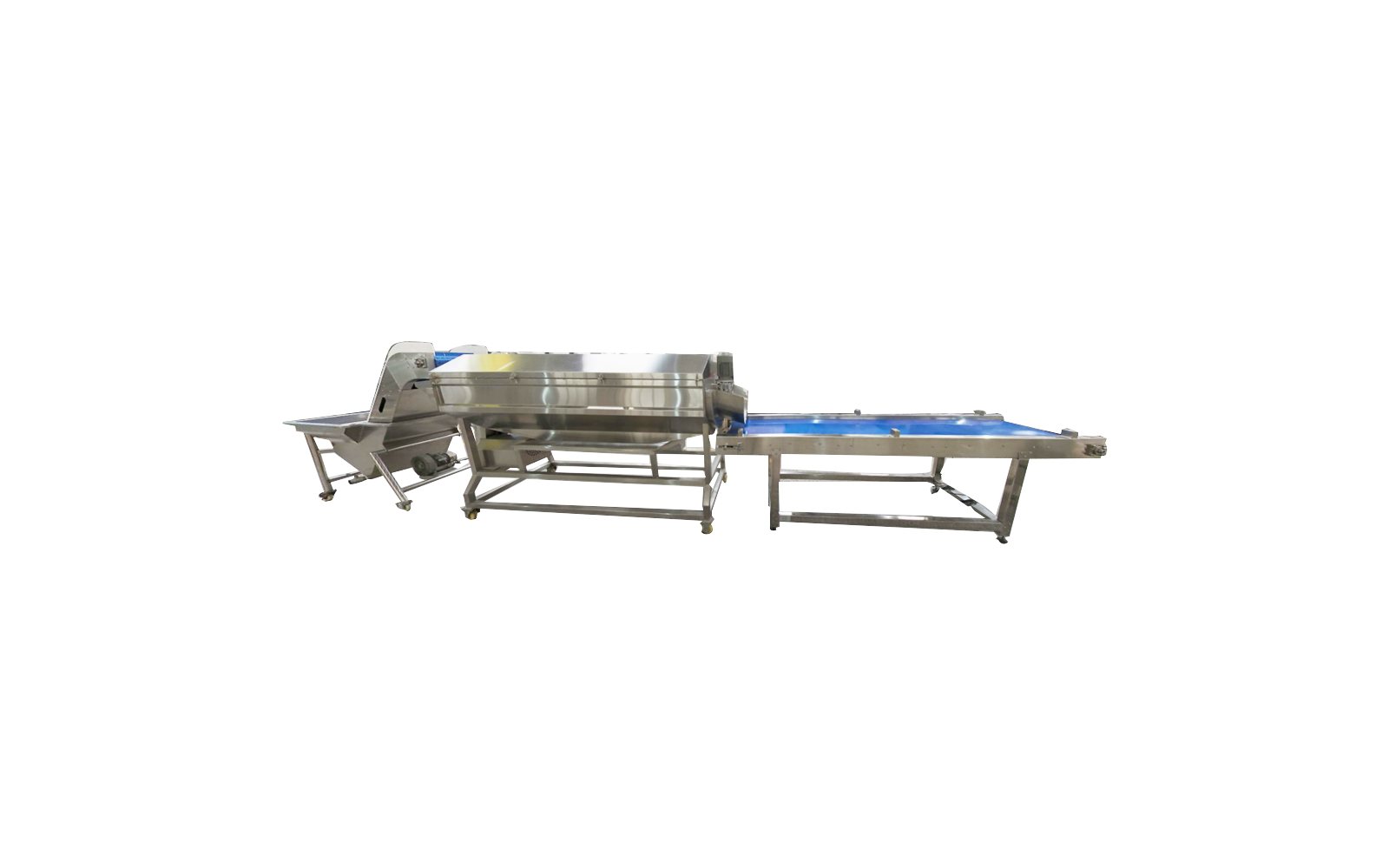
Central kitchen fresh-cut
Washed, peeled, cut and blanched roots and vegetables for food-service central kitchens.
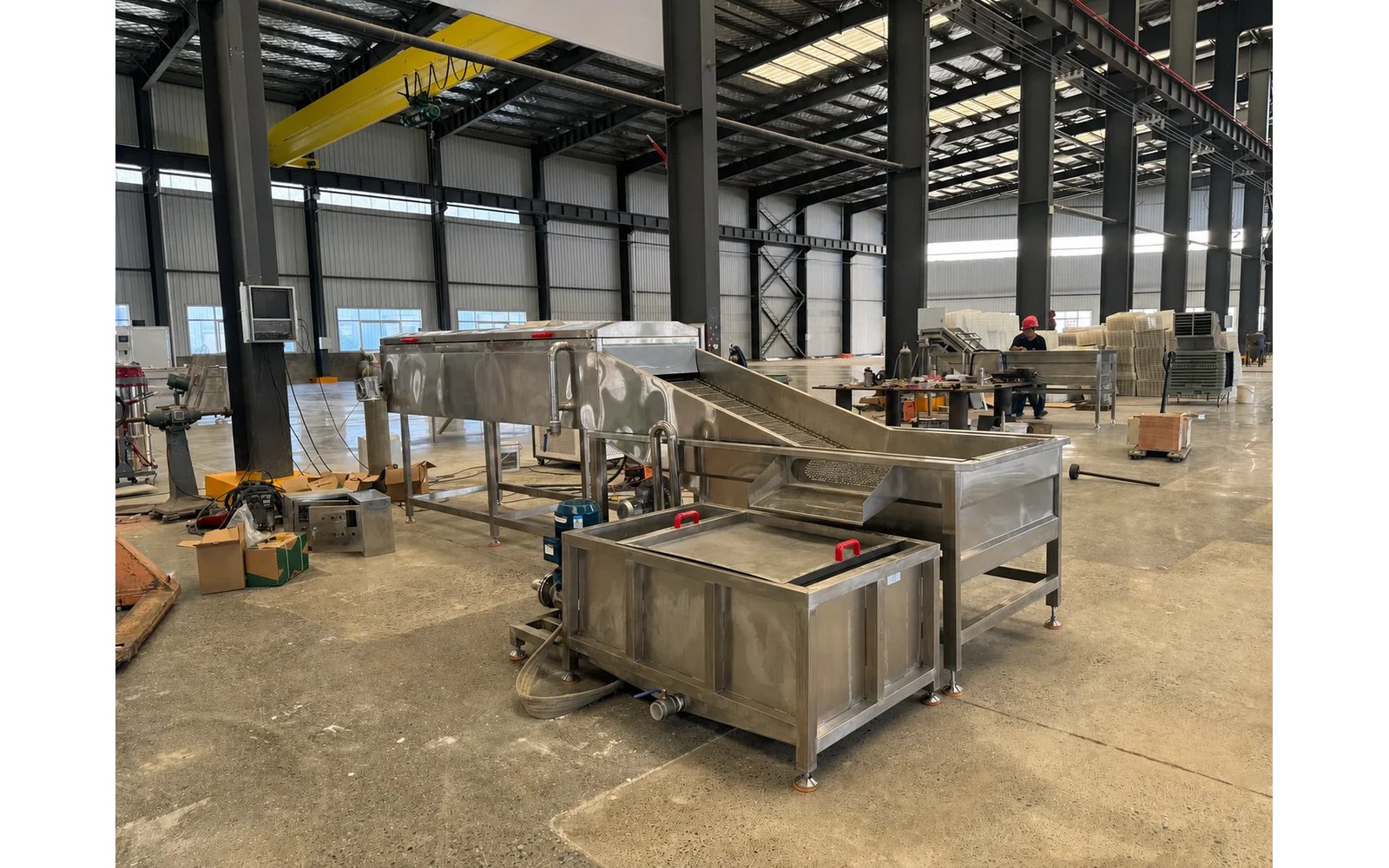
Retail washed salad
Triple-washed and dewatered leafy greens for modified-atmosphere retail packs.
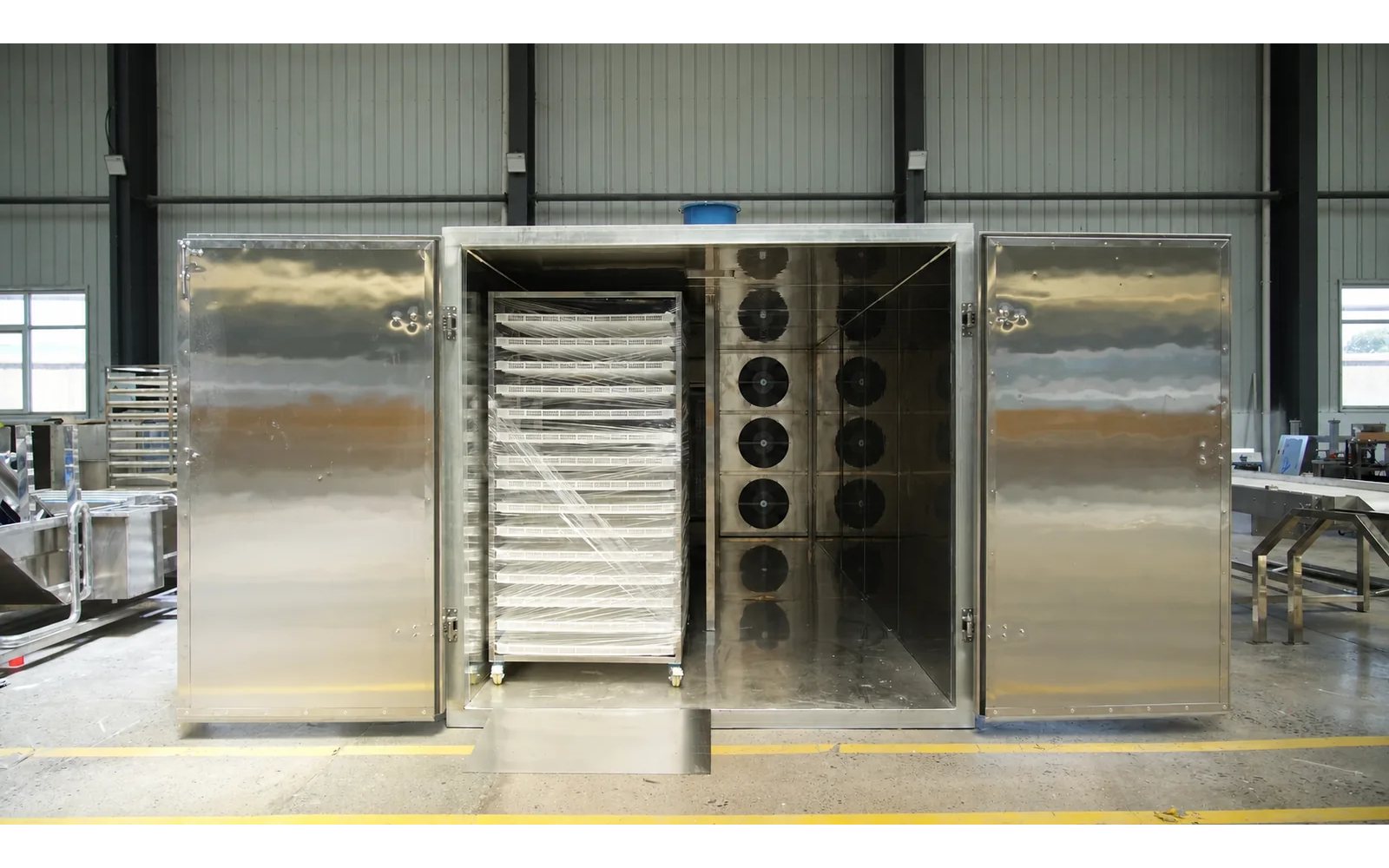
Dried fruit & vegetables
Hot-air and heat-pump drying for dehydrated vegetables and dried fruit.

Freeze-dried snacks
Premium fruit and vegetable crisps with high rehydration quality.
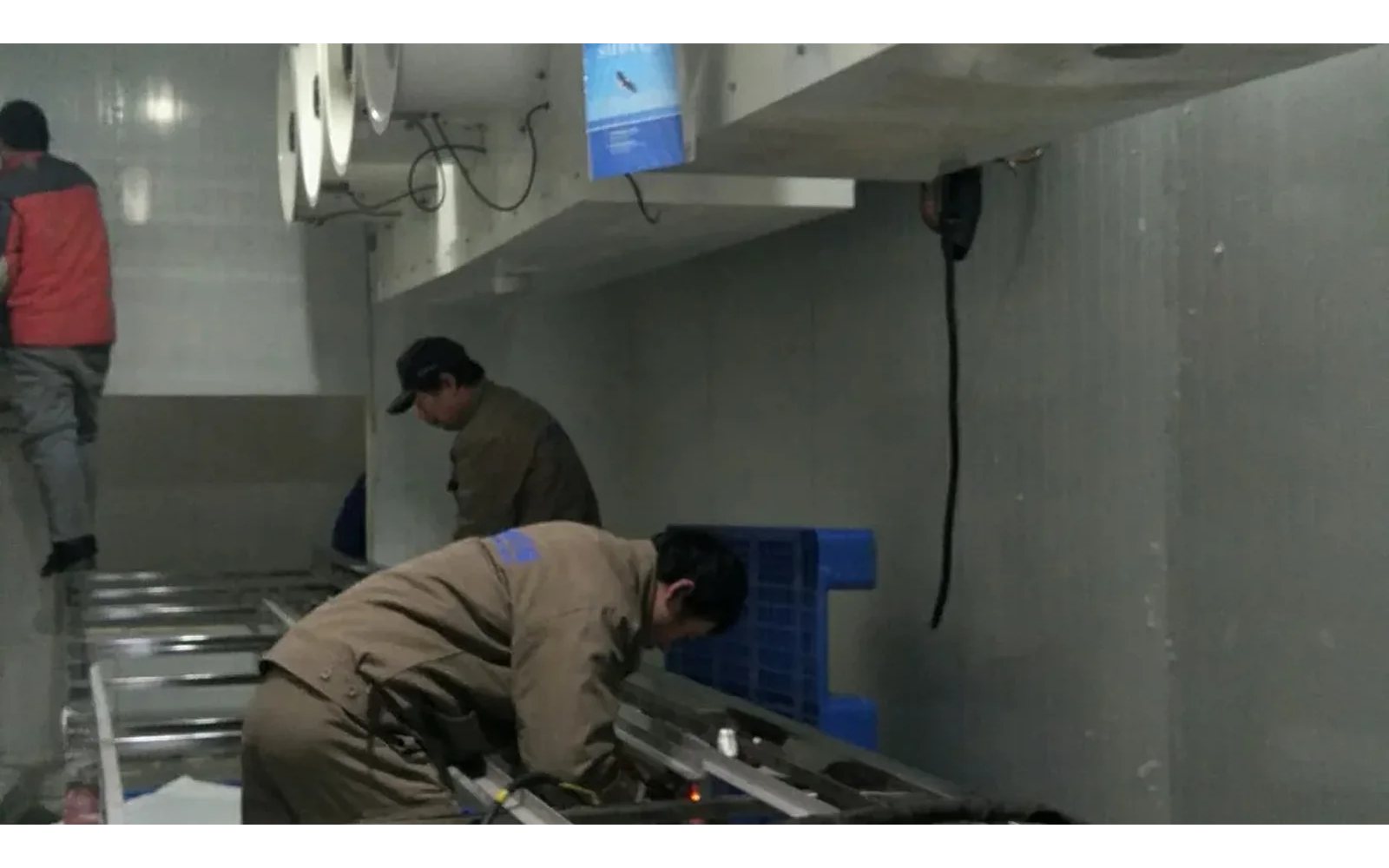
IQF frozen produce
Individually quick-frozen mixed vegetables and berries for export and food service.
Choosing the right application
The application determines the finished condition, which in turn decides the washing action, whether cutting and thermal treatment are needed, and how the line hands off to packing, drying or freezing. We configure each line around that finished condition rather than around a generic machine list.
- Fresh-cut and salad focus on gentle washing, controlled cutting and surface-water removal.
- Drying focuses on pre-treatment, even belt loading and controlled moisture removal.
- IQF freezing focuses on blanching, cooling, dewatering and a free-flowing frozen result.
Application FAQ
Can one line serve several applications?
Which application has the highest throughput?
Do you help with layout?
Matching the finished condition to the route
The finished condition you sell determines whether the line needs washing only, cutting and blanching, drying, or freezing. We map that finished condition to the minimum set of stages, so the line is not overbuilt and every stage has a clear duty.
- Fresh-cut and salad lines prioritize gentle washing, controlled cutting and surface-water removal.
- Drying lines prioritize pre-treatment, even belt loading and controlled moisture removal.
- IQF lines prioritize blanching, cooling, dewatering and a free-flowing frozen result.
Choosing the application first keeps the line honest: the same washer, cutter and dryer behave differently across a potato, a lettuce leaf and a frozen berry, so the finished condition - not the machine name - sets the route.
Application FAQ
Can one line cover fresh-cut and IQF?
Which application is most cost-sensitive?
Standards and sustainability by application
| Application | Dominant requirement | Key control |
|---|---|---|
| Ready-to-eat salad | Microbial safety and shelf life | Wash-water disinfection, residual moisture and MAP |
| Fresh-cut roots | Browning control and hygiene zoning | Blanch, dewatering and chilled packing |
| Dried fruit and vegetables | Moisture and color retention | Even belt loading and zoned temperature |
| Freeze-dried snacks | Rehydration and structure | Freeze, vacuum and condenser control |
| IQF frozen produce | Free-flowing individual pieces | Blanch, dewater and −18 °C core freeze |
Water and energy are usually the largest operating costs. Washing lines can reduce fresh-water use through filtration and recirculation, heat-pump drying runs above 50% more efficient than open hot-air drying, and IQF freezing is sized around the evaporating temperature and product feed temperature.